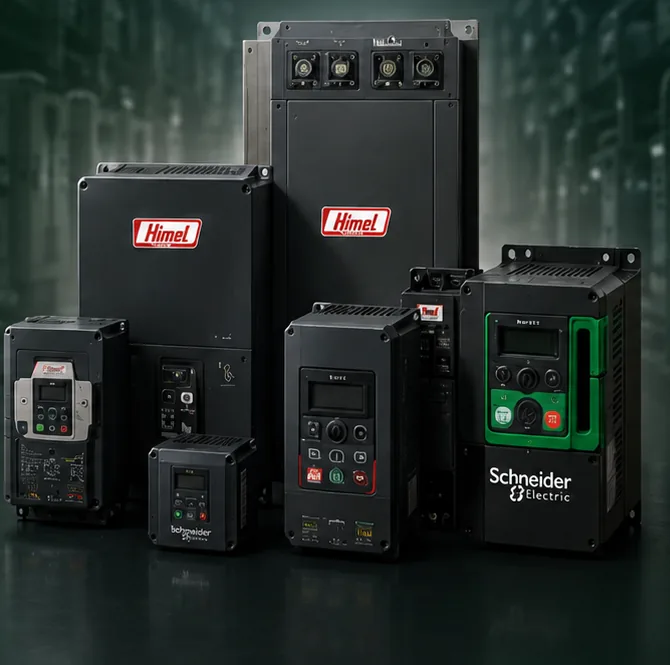
Singapore's VSD & Soft Starter Specialists

Match the right variable speed drive to your application. Purpose-built drives, honest energy-savings logic, and local support for M&E consultants and panel builders.
A pump drive, an HVAC fan drive and a chilled-water pump drive share the same physics but need different features. Below we walk through the three applications we're asked about most in Singapore — pumps, ACMV / HVAC, and chilled water — the drive we recommend for each, and the honest energy-savings logic behind variable-speed control. Jump to your application:
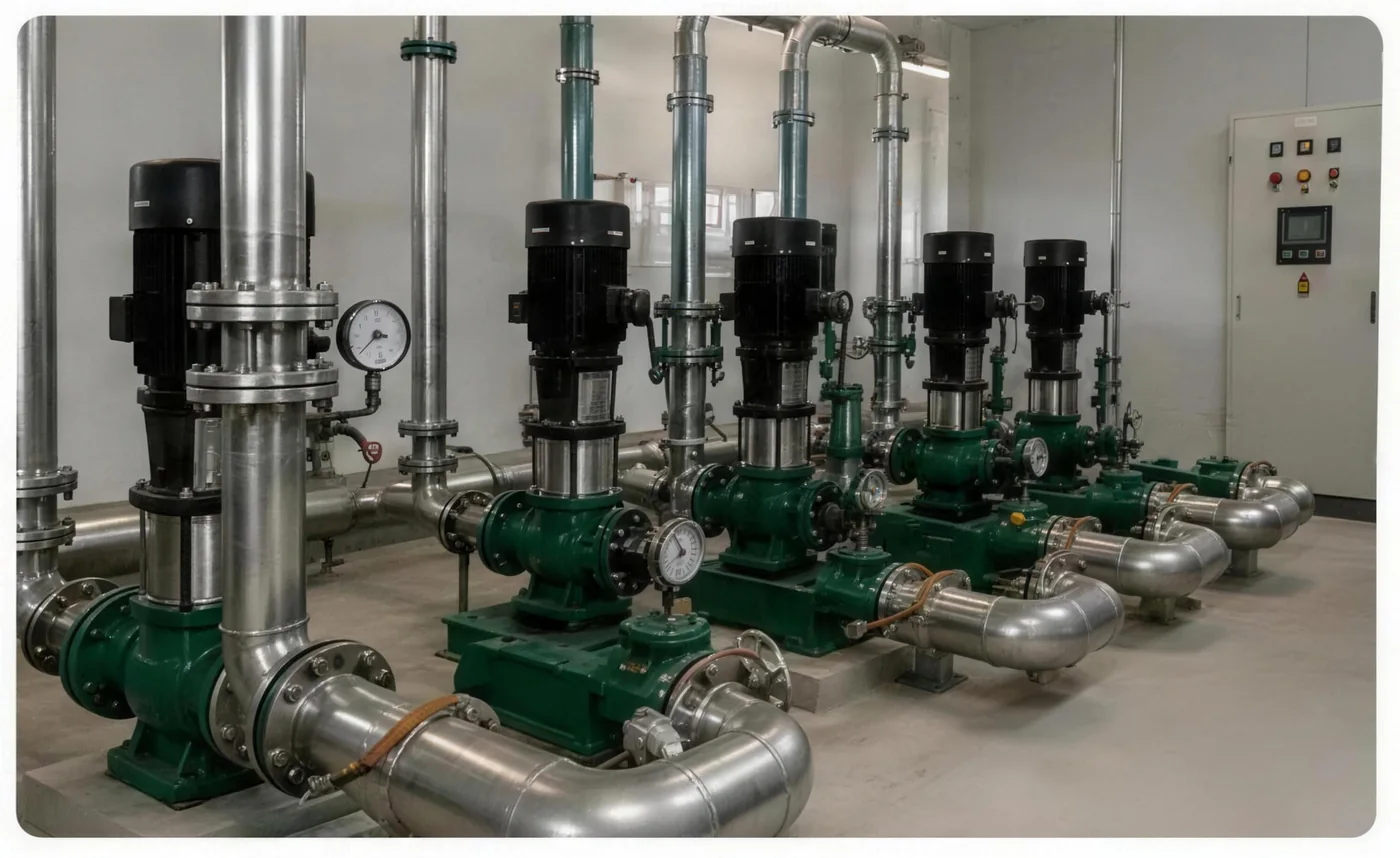
Most pump systems are sized for a peak demand that rarely occurs. A variable speed drive lets the pump follow real demand instead of throttling against a closed valve — holding steady pressure at the tap while drawing only the power the moment needs. For booster sets, HDB and residential pressurisation, that means quieter running, less wear and a noticeably lower energy bill.
Flow scales with speed, but power scales with the cube of speed. Slow a pump to 80% speed and it draws roughly half the power. Because pumps spend much of their life at part-load, running at variable speed can cut energy use significantly.
Indicative: part-load savings are commonly cited up to ~30–50%, but the real figure depends on your duty cycle and how often the system runs below full flow.
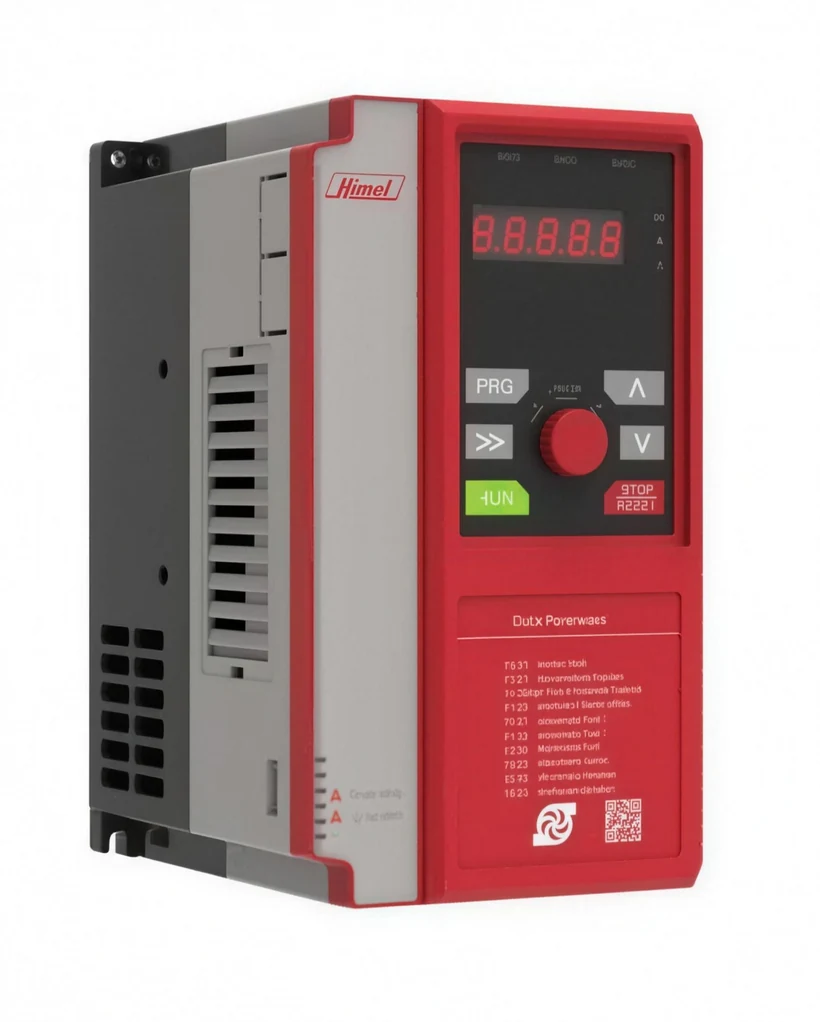
Purpose-built for pumps: PID control, multi-pump control and sleep/wake for stable pressure and energy savings.
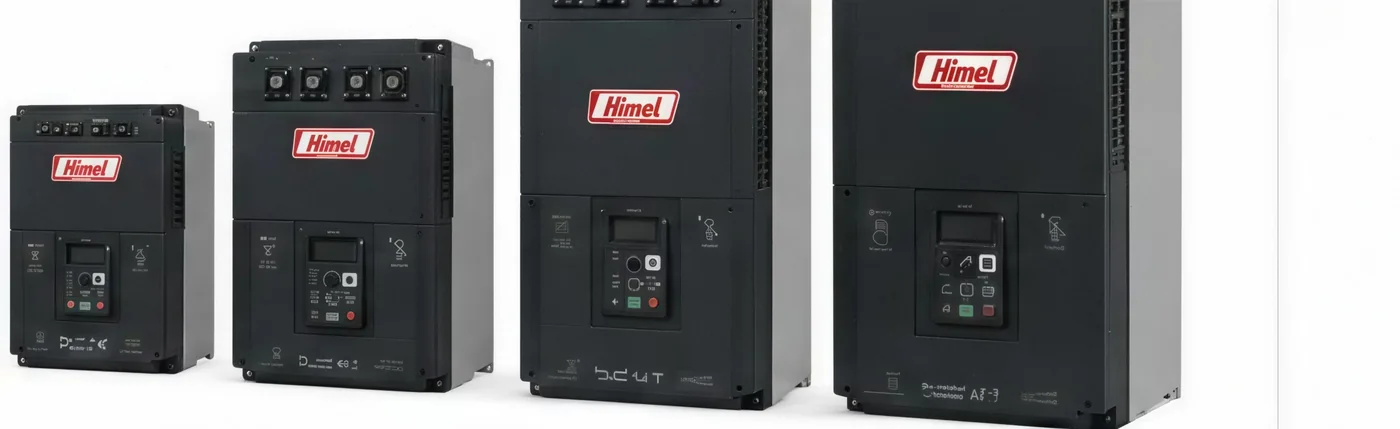
Air-side loads swing with occupancy and weather, so fixed-speed fans waste energy pushing air that isn't needed. A dedicated HVAC drive modulates fan speed to match the actual cooling or ventilation demand, then reports back to the building management system. The result is quieter air handling, tighter comfort control and lower running costs across AHUs, ventilation fans and cooling-tower fans.
Like pumps, fan power falls with the cube of speed. Trimming a fan from full speed to match a part-load demand can remove a large slice of its energy use — and because ACMV runs long hours, those savings compound.
Indicative only: actual savings depend on the fan curve, duct system and how the load varies over the day.
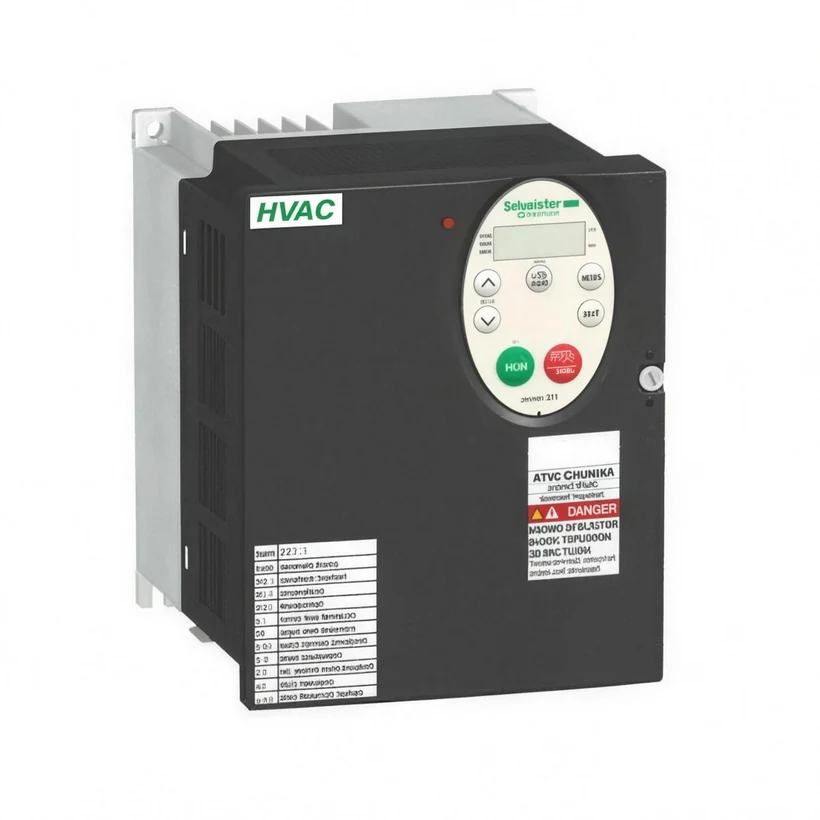
Altivar 212 — dedicated to HVAC. BMS-ready and built for quiet, energy-efficient fan and pump control in commercial buildings.
Chilled-water systems are one of the biggest energy consumers in a commercial building, and the pumps that move that water are prime candidates for variable-speed control. Converting a constant-flow chilled-water loop to variable primary or secondary flow lets the pumps ramp down as the cooling load falls — instead of running flat-out and burning energy across balancing valves. It's one of the highest-return VSD retrofits in an M&E system.
Variable-flow chilled-water pumping directly reduces the energy the plant draws, supporting the energy-efficiency intent behind schemes such as BCA Green Mark. We can provide the product documentation your consultant needs for submission.
Indicative: savings on chilled-water pumping vary with the system design, control strategy and load profile — we'll help you frame a realistic figure for your project.
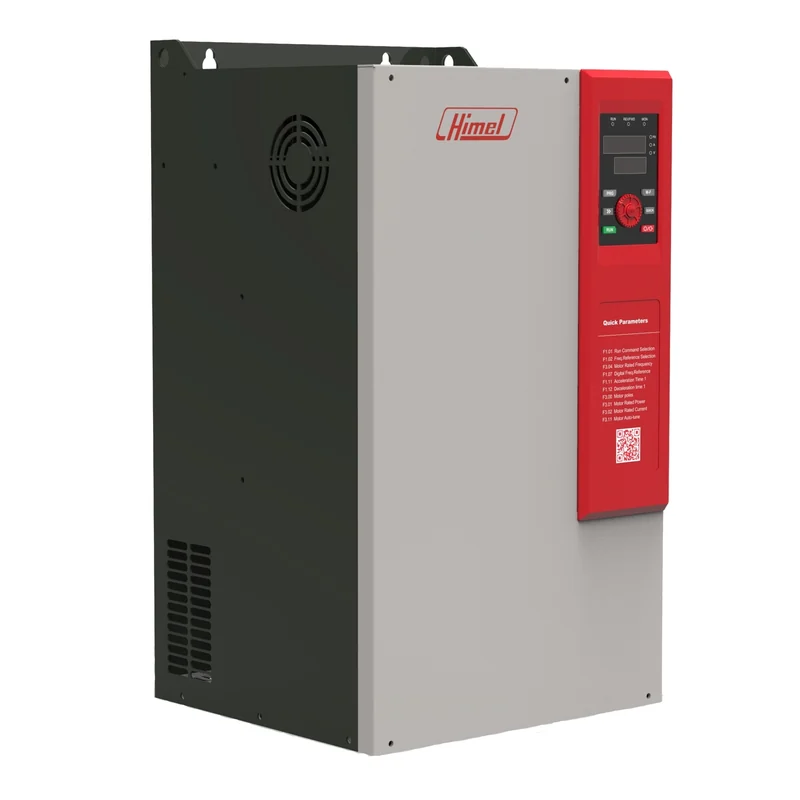
Pump-optimised drives with PID and multi-pump control for variable-flow chilled-water pump sets — sized to your duty and head.
For booster, HDB and residential pump sets we recommend the Himel Smart Pump Series VSD. It is purpose-built for pumps with PID control, multi-pump control and sleep/wake, holding stable pressure while saving energy through the affinity laws.
For ACMV and HVAC loads such as fans, air handling units and cooling towers, we recommend the Schneider ATV212 — a drive dedicated to HVAC. It is BMS-ready and designed for quiet, energy-efficient operation in commercial buildings.
Because power follows the cube of speed under the affinity laws, running a pump or fan at reduced speed can cut energy use substantially. Typical part-load savings are often indicated in the range of 20 to 50 percent, but the actual figure depends on the load profile and how much of the time the system runs below full flow.
Variable-speed control of chilled-water pumps and ACMV equipment reduces energy consumption, which supports the energy-efficiency intent behind schemes such as BCA Green Mark. We can provide the product documentation your consultant needs for submission.
Send us the motor rating, voltage, application and duty — pump, ACMV or chilled water — and we'll recommend the right drive and get a quotation back fast.