Energy Optimisation Techniques Using Schneider ATV212 Drives
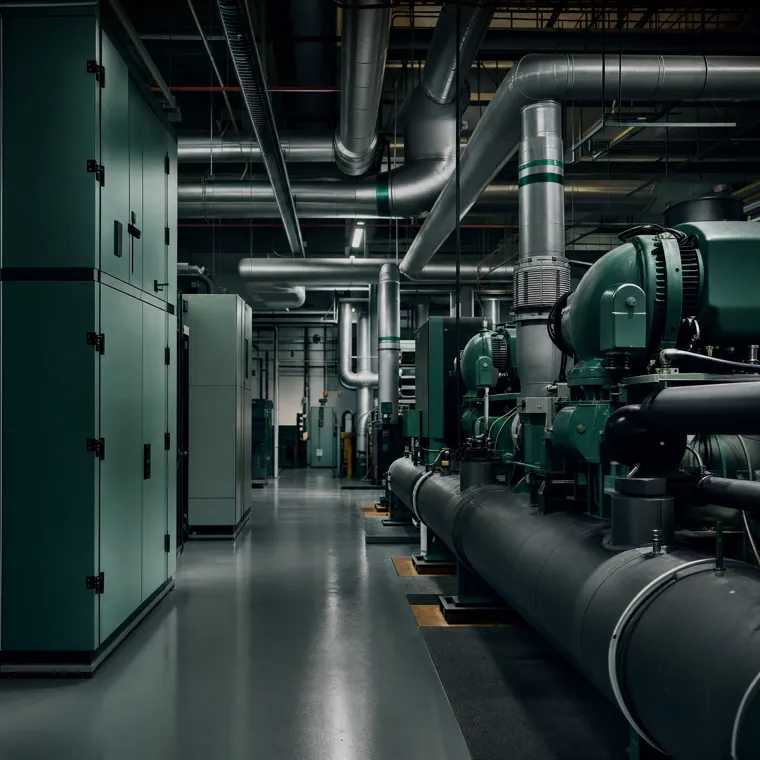
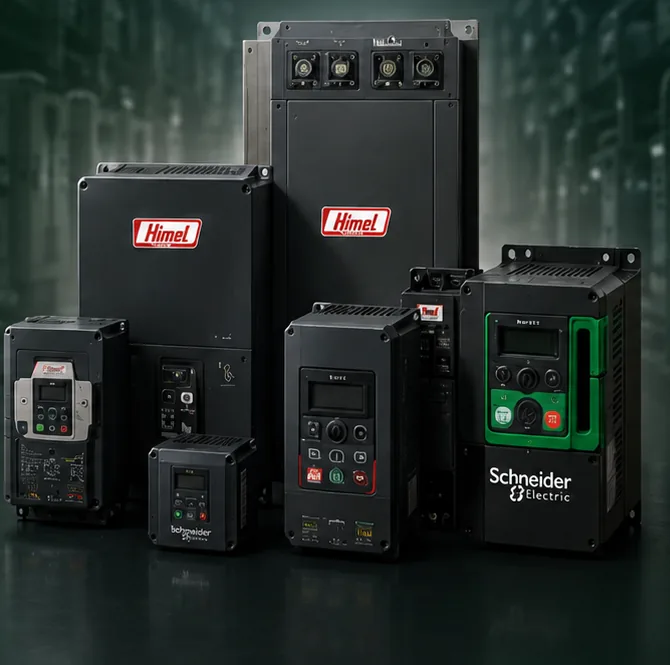
In most commercial buildings, HVAC is the single largest consumer of electricity — and the pumps and fans that move air and water are where the easiest energy savings hide. The Schneider Altivar ATV212 HVAC drive is a variable speed drive designed specifically for these building-services duties. It isn't a general-purpose industrial drive pressed into HVAC service; it's purpose-built for it, which is exactly why it optimises energy so effectively on chilled-water pumps, cooling-tower fans and air-handling units.
This article covers the practical energy-optimisation techniques the ATV212 enables — and how to specify one correctly for a Singapore building. If your process is industrial rather than HVAC, our companion pieces on the ATV630 energy savings and ATV630 smart control cover the heavier Altivar Process range.
Why HVAC pumps and fans waste so much energy
Fans and pumps follow the affinity laws: power consumption rises with roughly the cube of speed. Slow a fan to 80% of full speed and it draws close to half the power. The catch is that most building plant was designed for peak load — the hottest day, the fullest occupancy — yet spends the vast majority of its life running well below that peak. Traditional systems handle part-load by throttling with valves and dampers, which is like driving with the brakes on: the motor still runs flat out while a mechanical restriction wastes the excess.
A VSD removes the waste at source. Instead of running full-speed and throttling, the ATV212 slows the motor to match real demand — and because of the cube relationship, even modest speed reductions produce large energy savings across a year of operation.
Exact ratings and options depend on the reference — send us the motor and duty and we'll confirm the correct ATV212 part number.
Energy-optimisation techniques the ATV212 makes possible
1. Demand-based speed control with built-in PID
The ATV212 has an on-board PID regulator, so it can hold a target directly — a chilled-water differential pressure, a duct static pressure, a room temperature — by modulating motor speed. The plant delivers exactly what's needed and no more, which is the core of the energy saving.
2. BMS integration for whole-system efficiency
A drive optimises one motor; a coordinated system optimises the whole building. The ATV212 speaks the protocols building-management systems use — including BACnet and Modbus — so the BMS can reset setpoints, stage plant and schedule operation. That turns individual drives into a managed, demand-following HVAC system.
3. Quiet operation for occupied spaces
The ATV212 is engineered for low audible and motor noise, an underrated advantage in offices, retail and healthcare where AHUs sit close to occupants. It lets you run drives at efficient carrier frequencies without generating complaints — so the energy strategy isn't undone by a comfort compromise.
4. Sleep/wake and flying-start functions
Sleep mode stops the motor entirely during genuine no-demand periods and restarts smoothly when demand returns, eliminating idle running. Flying-start (catch-on-the-fly) lets the drive pick up an already-spinning fan without a trip — essential for large HVAC fans that windmill after they're switched off.
ATV212 energy features at a glance
- On-board PID — hold pressure, temperature or flow without an external controller
- BACnet & Modbus — direct BMS integration for whole-building optimisation
- Low-noise design — efficient operation in occupied spaces without comfort trade-offs
- Sleep/wake & flying-start — no idle running; smooth pick-up of spinning fans
- Energy monitoring — kWh and run-hour data to quantify and report savings
Where the ATV212 pays back fastest
The best returns come from plant that runs long hours at variable load: chilled-water and condenser-water pumps, cooling-tower fans, and AHU/FCU supply and return fans. In Singapore's year-round cooling climate these run almost continuously, so shaving part-load energy compounds into meaningful annual savings — and typically a payback measured in a small number of years, though the exact figure depends on tariff, load profile and run hours (we can help you estimate it).
Specifying and supplying the ATV212 in Singapore
Energy savings only materialise if the drive is sized and set up correctly. Trans-Digi Global helps M&E contractors and consultants match the right ATV212 reference to the motor and duty, advise on the BMS integration and enclosure, and — critically — keep drives in local stock so the retrofit or new install isn't held up by lead time. We support the full scope: supply, installation and testing & commissioning, with the documentation your project needs, and a retrofit path when you're upgrading fixed-speed or ageing HVAC plant. Browse the range on our online shop, or send us your motor and duty for a sized recommendation.
Conclusion
The Schneider ATV212 is the drive to reach for when the application is HVAC and the goal is energy. Purpose-built for pumps and fans, quiet, BMS-ready and armed with the right control functions, it turns part-load waste into measurable savings across a building's operating life. Paired with responsive local supply and technical support, it's a straightforward, low-risk way to cut a Singapore building's largest energy load.
Tell us the motor rating, application and control system, and we'll confirm the right ATV212 and its local availability.